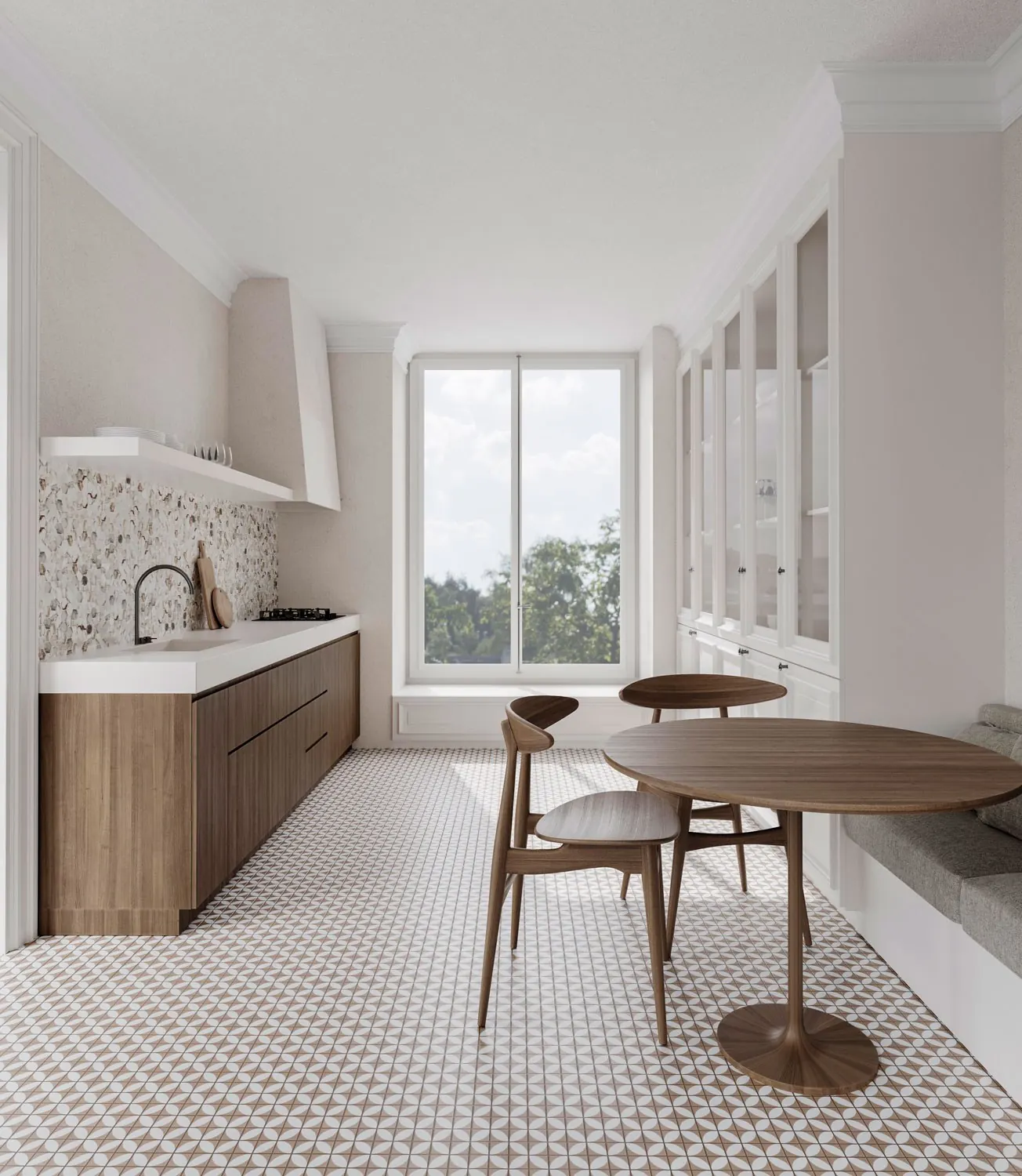
The everyday heroes of every project: porcelain and ceramic tiles in the sizes, colours and finishes that suit how each room is used.
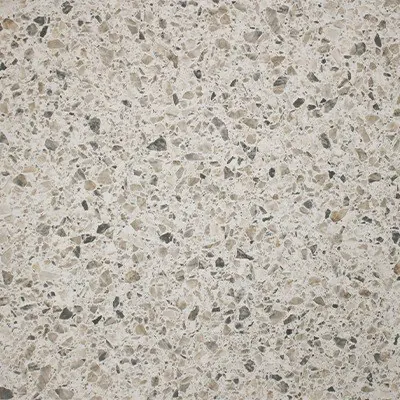
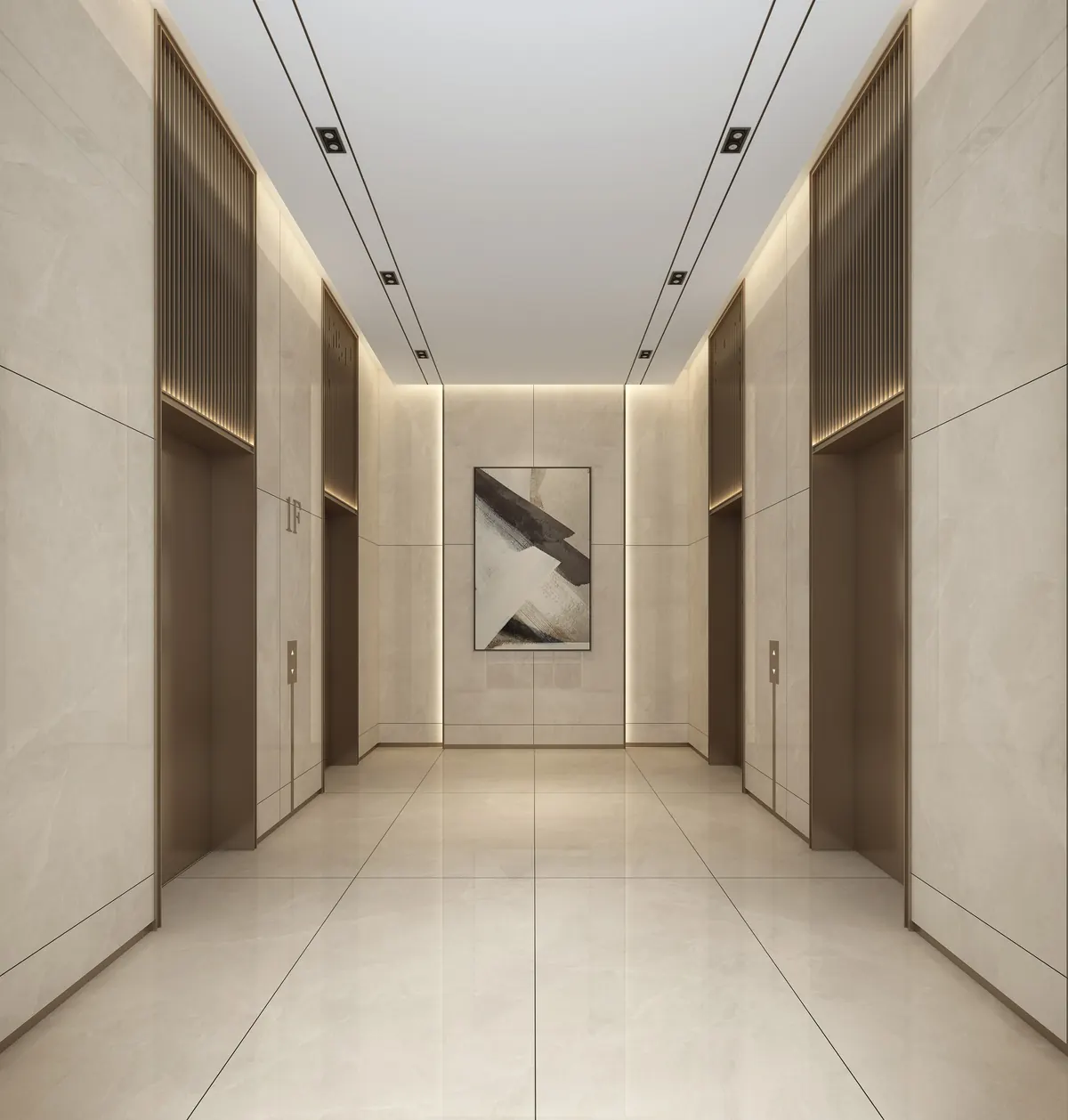
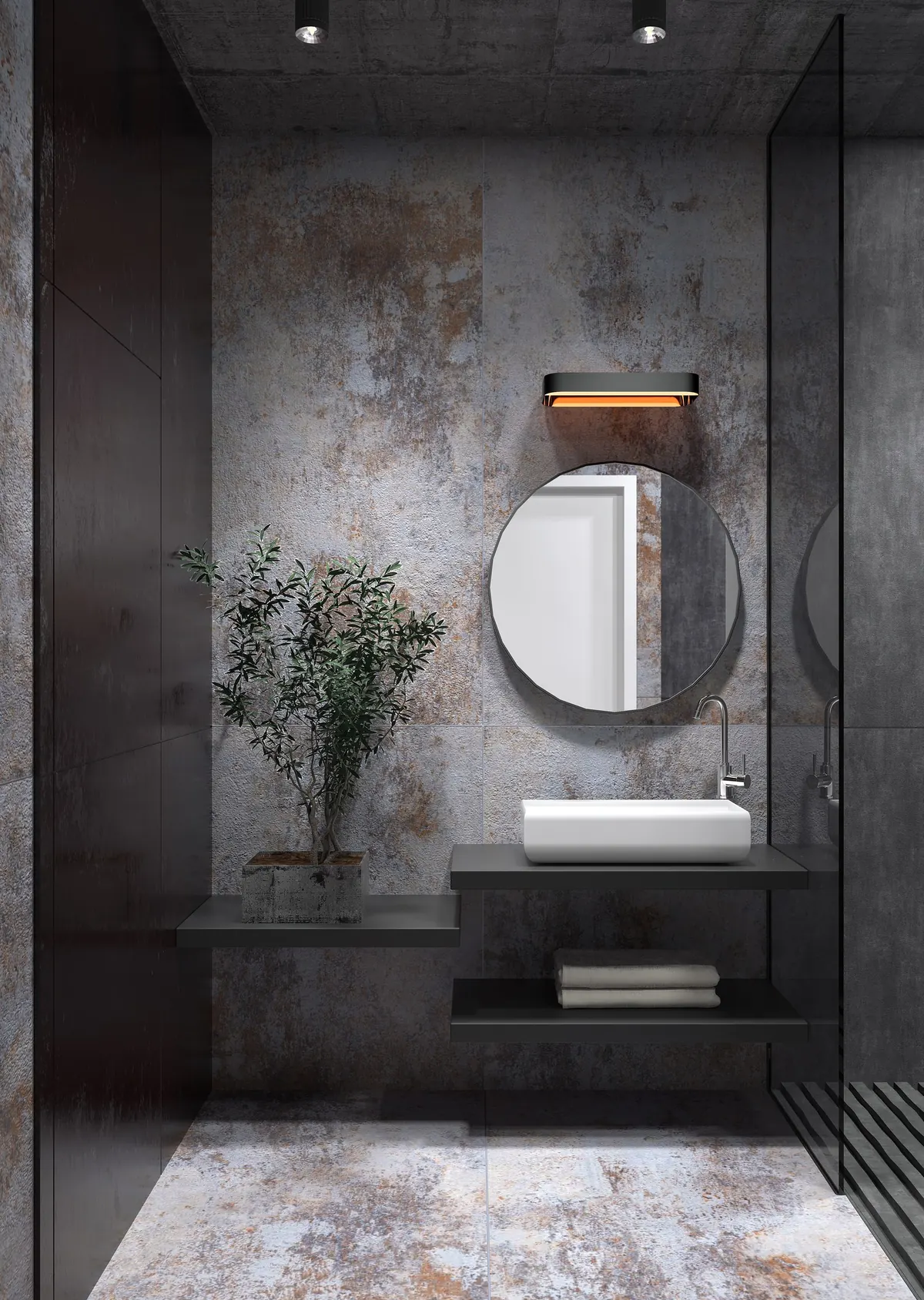
Porcelain is the go-to for floors because it is dense and hard-wearing, indoors and out. Ceramic is lighter and easier to cut, which makes it ideal for walls, splashbacks and feature areas where colour and glaze do the talking. Both come in stone, concrete, terrazzo and timber looks.
Rather than show you hundreds of near-identical options, we curate a short list that suits your space, style and budget, and we check the slip rating for every floor tile against where it is going.
Details
- Bodies
- Porcelain (floors and walls) and ceramic (walls)
- Sizes
- From small format and subway tiles to large rectified tiles
- Looks
- Stone, marble, concrete, terrazzo, timber and solid colour
- Good to know
- Floor tiles carry a P rating for slip resistance; wet areas and outdoors need higher ratings
Slip ratings
| Area | Starting point |
|---|---|
| Living areas and bedrooms (dry) | P2 or above |
| Kitchens, laundries and bathrooms | P3 |
| Outdoor areas, alfresco and pool surrounds | P4 to P5 |
Tested to AS 4586, with guidance from handbook HB 198. Commercial floors, ramps and public areas have their own requirements, and your certifier or the project specification has the final say.
Applications
- Living areas
- Bathrooms and laundries
- Kitchens
Technical documents
| Document | What it covers |
|---|---|
| Installation guidelines | Maker guidelines for adhesives, grouts, movement joints, substrates and large-format handling. |
| Product testing data | Slip resistance certificates (AS 4586), water absorption, breaking strength, chemical and stain resistance where tested. |
| Specifications | Technical data sheets: formats, thicknesses, finishes, shade variation, edge type and recommended applications. |
| CAD files and textures | Tile and pattern files for drawings, plus high-resolution textures for renders and client presentations. |
Available for every range we supply, with your sourcing brief or trade account. See the technical library.
Before you buy
- What slip rating does this area need?
- Is the tile rectified, and what grout joint suits it?
- Is there a matching outdoor version for an indoor-outdoor flow?
- How much extra should I order for cuts?
Looks
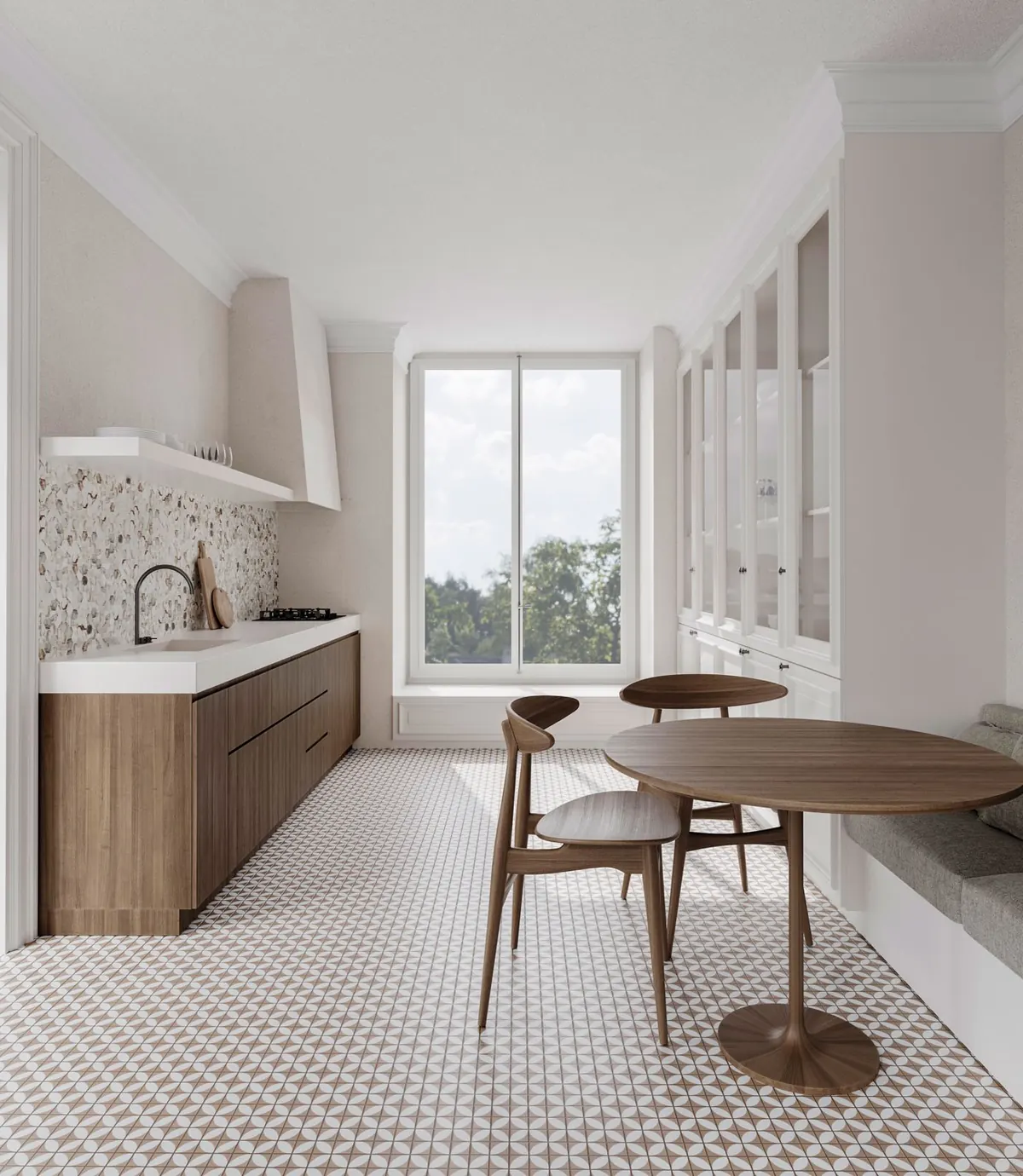
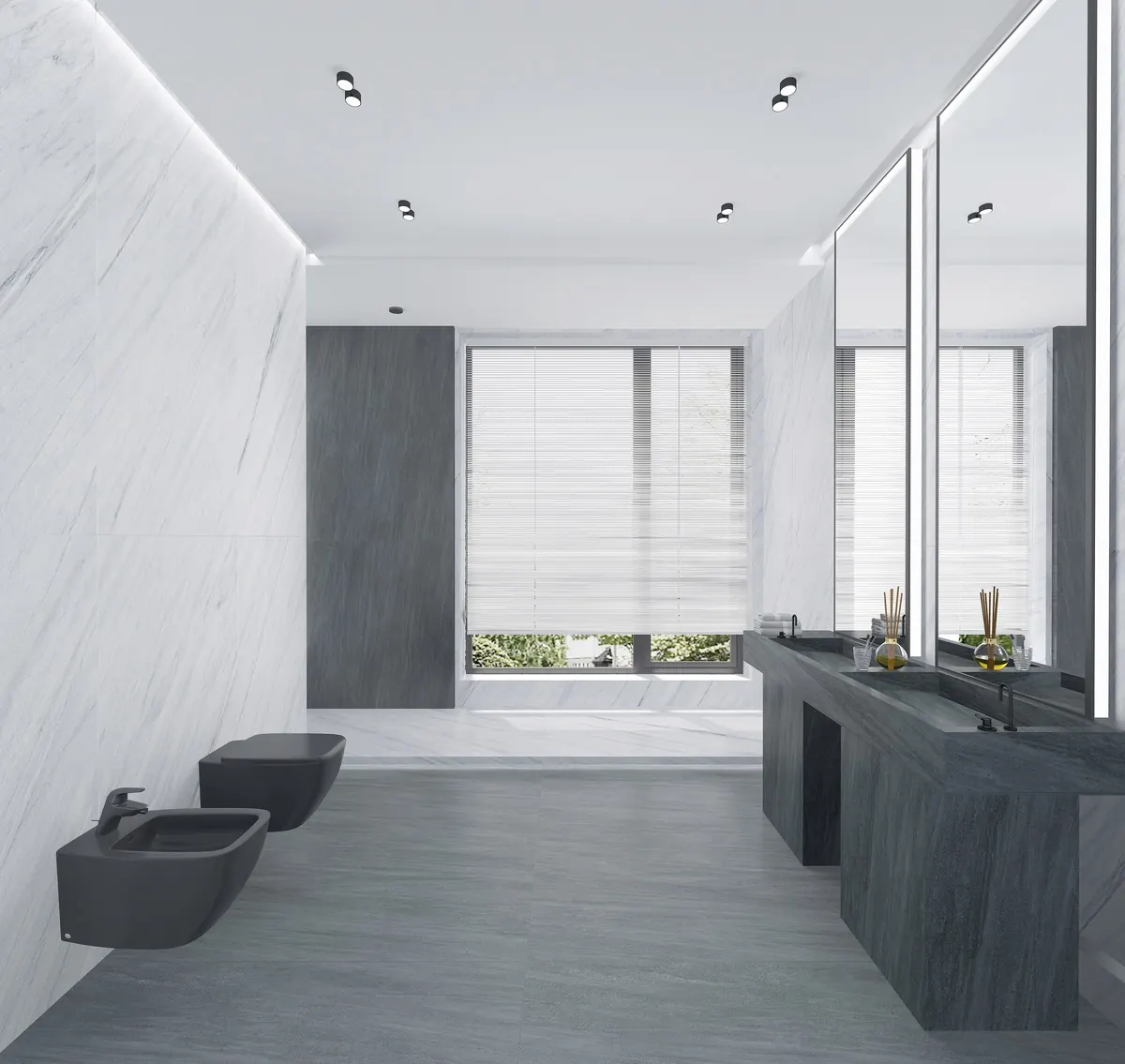
Common questions
Floor and wall tiles, answered
Frequently asked questions
Should I choose porcelain or ceramic?
Porcelain for floors, outdoor areas and heavy traffic; ceramic is fine for most walls. Our porcelain versus ceramic guide explains the difference without the sales talk.
What does rectified mean?
A rectified tile is ground after firing so every edge is straight and every tile is the same size. That allows a narrower grout joint and a cleaner, more architectural finish.
Planning a project? Let's choose your tiles together.
Book an obligation-free consultation. We will curate a short list for your space and bring it to you, so you choose in your own light.