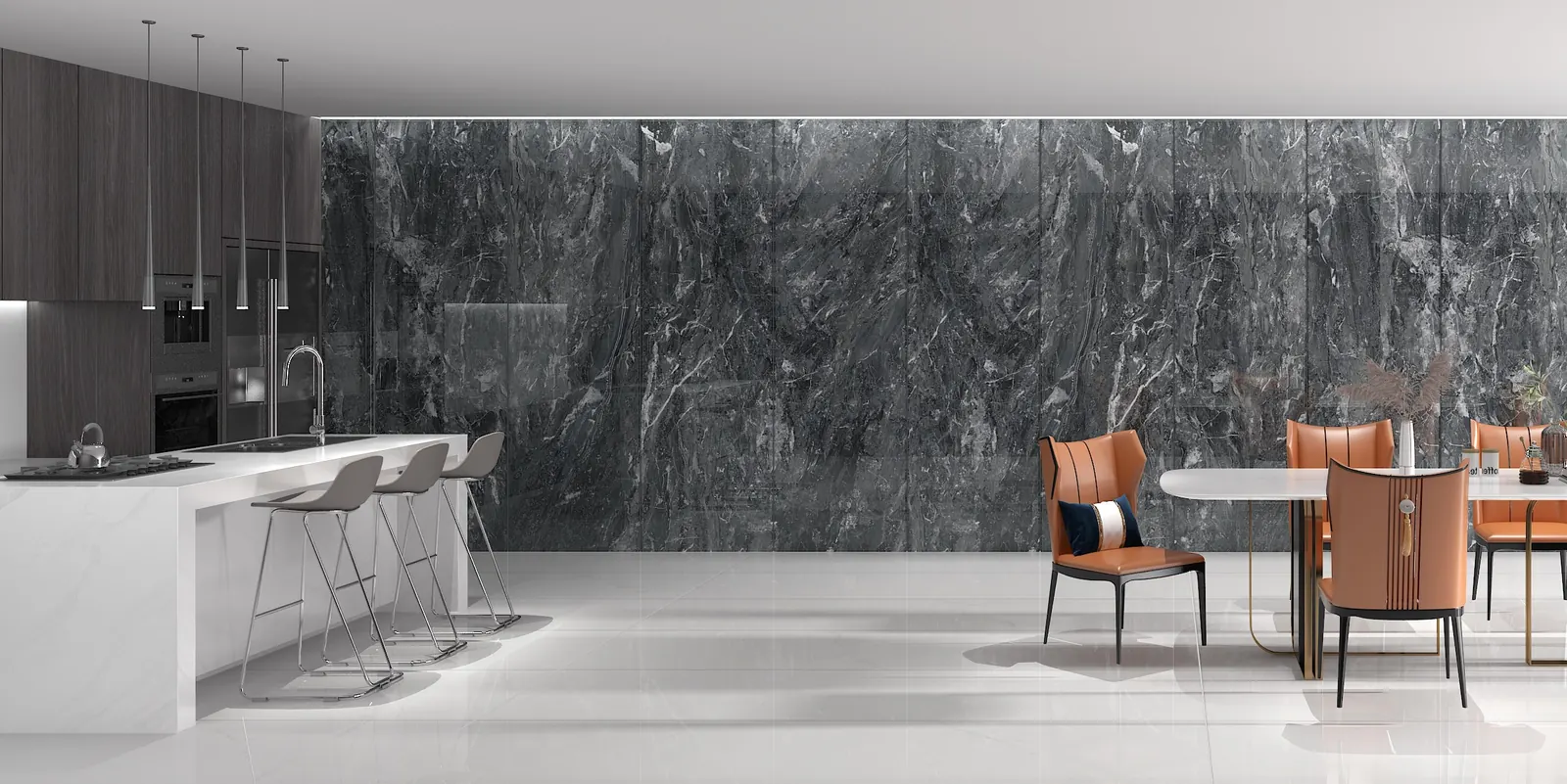
From 1 July 2024, Australia banned the manufacture, supply, processing and installation of engineered stone benchtops, panels and slabs. The ban was introduced because cutting engineered stone releases respirable crystalline silica, which causes silicosis in the workers who fabricate it.
What the ban covers
Engineered stone is the artificial stone made from crushed quartz bound with resin, long sold for kitchen benchtops. Existing engineered stone benchtops in homes do not need to be removed; the ban is about new supply and installation, plus rules for working on existing pieces.
What you can still use
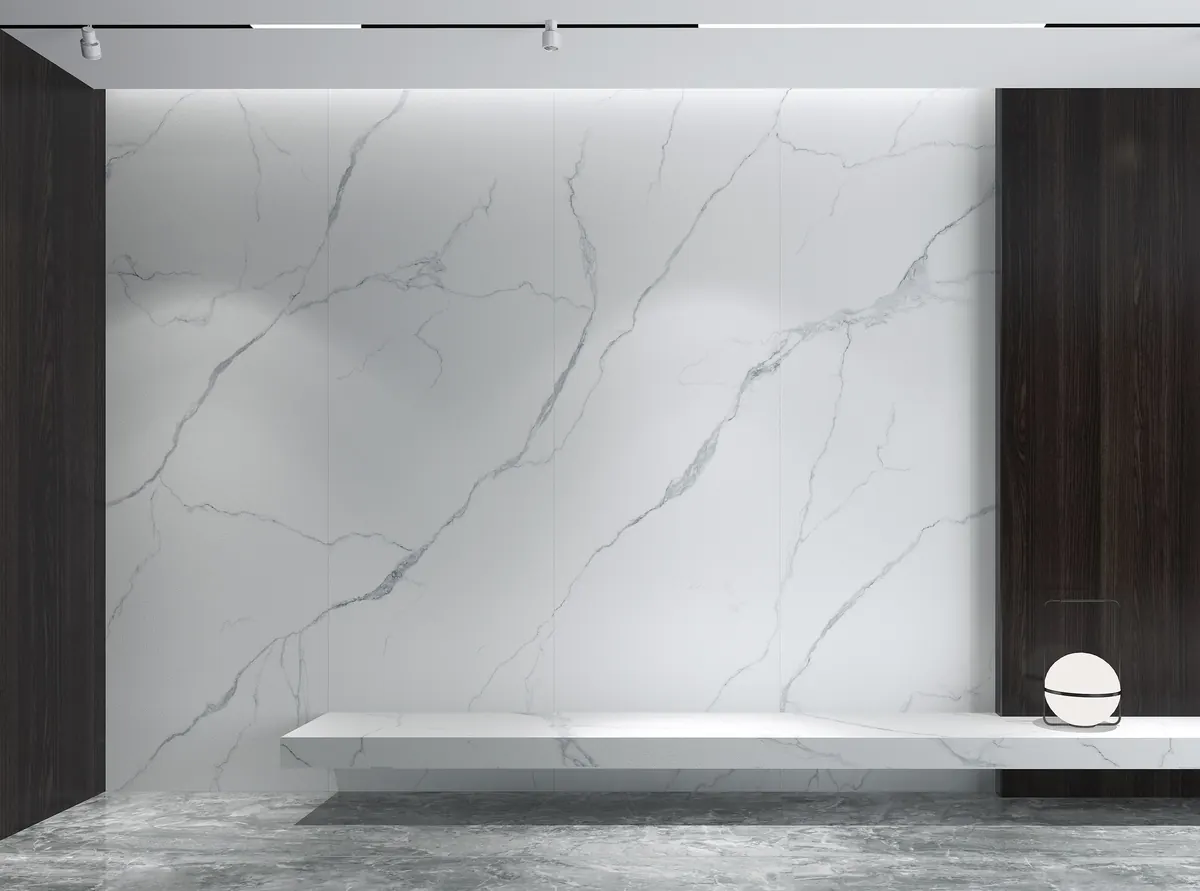
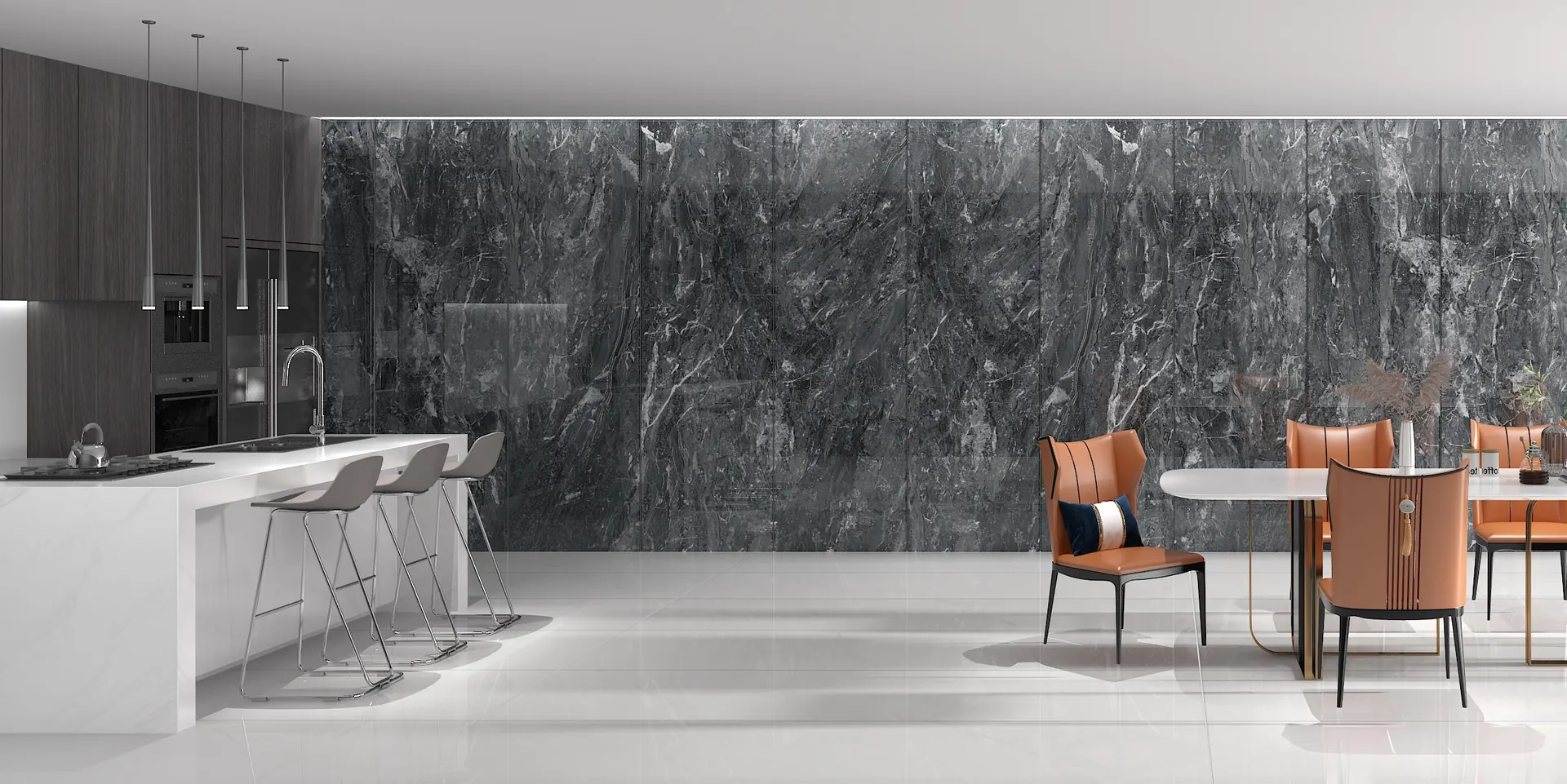
- Porcelain slabs. The most common replacement: thin, strong, heat and stain resistant, and available in marble, stone and concrete looks. See our porcelain slabs.
- Natural stone. Marble, granite and quartzite are still available, with their natural variation and care needs.
- Other surfaces such as timber, stainless steel and compact laminates.
Silica rules still apply
Porcelain and natural stone are not banned, but many contain some crystalline silica. Since 1 September 2024, the WHS rules require controls such as wet cutting, dust extraction and respiratory protection when these materials are cut. Use a fabricator who follows them.
What we do
We supply porcelain slabs and stone for benchtops and work with fabricators who are set up for safe processing. For specifiers, we provide product data to support the documentation your project needs.
Frequently asked questions
Do I need to remove my existing engineered stone benchtop?
No. The ban does not require removal of existing benchtops. Any work on them, such as cutting or removal, must follow the silica safety rules.
Is porcelain as durable as engineered stone?
For most kitchens, yes. Porcelain is very hard, heat resistant and does not stain. Edges need care, so choose a mitred or eased edge detail with your fabricator.
Want a second opinion? Book a consultation and we will talk it through for your space.
Book a consultation